Tack and equipment safety is essential in equestrian activities. Regular inspections of saddles, bridles, and other gear can reveal wear and tear that may compromise safety. Proper fitting is equally important, as it affects both the horse’s comfort and the rider’s effectiveness. Maintenance practices, such as cleaning and conditioning, extend the life of equipment. Understanding these guidelines is crucial. However, many riders overlook specific details that could enhance safety further.
Inspecting Your Tack for Safety
Inspecting tack for safety is a critical practice that every equestrian must prioritize.
Regular safety checks on various tack materials, such as leather and synthetic options, ensure durability and functionality. Inspect for frays, cracks, or signs of wear that could compromise safety.
Proper maintenance, including cleaning and conditioning, enhances longevity, allowing equestrians to ride freely and confidently, knowing their equipment is secure.
Proper Fit and Adjustment of Equipment
To ensure both the horse’s comfort and the rider’s safety, proper fit and adjustment of equipment are essential.
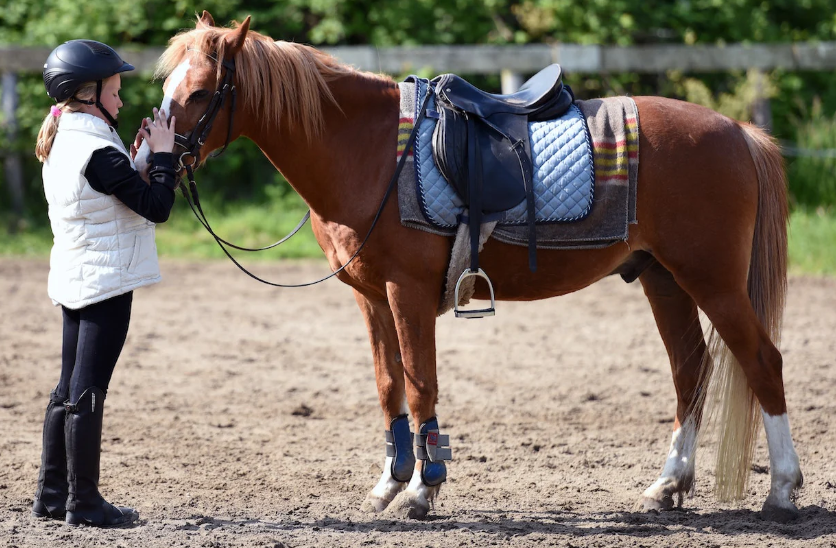
Saddle fitting should allow for free movement of the horse’s shoulders, while ensuring even weight distribution.
Additionally, bridle adjustment must ensure that the bit sits correctly, avoiding any pinching or discomfort.
Regular checks and adjustments enhance performance and promote a harmonious partnership between horse and rider.
See also: The Arabian Horse’s Influence on Modern Racing
Storage and Maintenance Best Practices
Proper storage and maintenance of tack and equipment are crucial for ensuring their longevity and functionality.
Regularly employing effective cleaning techniques, such as using mild soap and water, keeps items in optimal condition.
Additionally, implementing organization tips, like labeling storage bins and hanging gear, promotes easy access and minimizes damage.
Following these practices fosters a reliable and efficient environment for equestrian enthusiasts.
Conclusion
In conclusion, adhering to tack and equipment safety guidelines is not merely a precaution; it is a commitment to the partnership between horse and rider. By diligently inspecting, properly fitting, and maintaining equipment, one ensures a harmonious experience that transcends mere riding. After all, just as a well-tuned instrument produces beautiful music, so too does well-cared-for tack foster trust and performance in the equestrian journey. Prioritize safety, and both horse and rider will thrive in their shared endeavors.